There’s an intimacy to repurposing. The way my 1-year-old son’s most beloved toys aren’t actually toys, but scraps of random garbage and household objects that he has bonded with for some reason. The way my wife and I can quietly connect with each other across the expanse of our young children by each casually and unironically using the words our daughter has invented/reimagined to refer to everyday objects and experiences. Iris says she has a tummy-cake. Can you pass me the fah-mote? I packed her ookin-corn dress. The way playing dress-up with my daughter is far more stimulating when we use Mommy’s and Daddy’s old clothes than it is when we use the witches’ hats and princess dresses in the dress-up chest. Using what’s immediately around us as a means to connect with ourselves–and each other–stirs far more sentiment than the alternative. I suppose it’s an example of the value of being present–which is such an overused cliché–but really does have value when pursued sincerely.
Most of us spend so much time engaged in our work and devices that we neglect to listen carefully to the world: the sounds of our everyday lives and settings, our internal reactions to our environment, the din and resonance underlying what we imagine is silence. By failing to do so, we lose the opportunity for self-reflection, and to be inspired to absorb and repurpose those sounds or reactions for our own enrichment. Oklahoma-based artist silent collision (real name Austyn Moffat) hears the potential in the mundane hum. His latest EP, Air Vent Lullabies is inspired by–and is crafted from–the drone and whir of air vents in his home. In the press blurb accompanying the record, he describes finding that hum deeply comforting; he’s seeking to represent his subjective reaction to those sounds in music that might stir the same in its listeners. Simultaneously, Moffat is using the record as a means for his own musical self-reflection, not just through the use of the sounds that soundtrack his quiet personal moments, but also by sampling his own music and reshaping those earlier compositions in a new context.
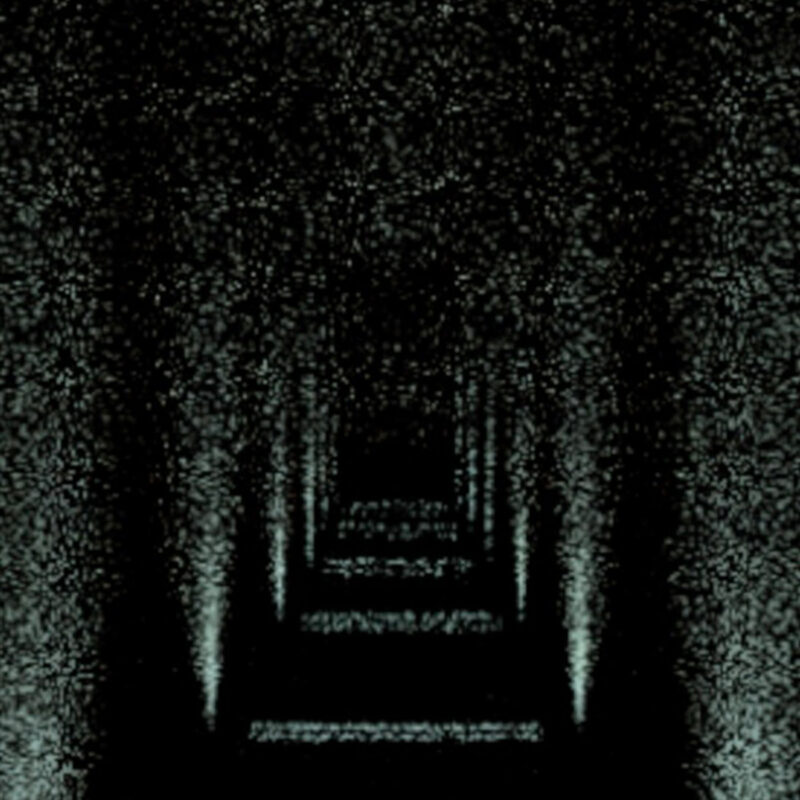
Most of the record is fittingly presomnal, ushering the listener into and out of hypnagogia, floating in the space before sleep. Tranquility leads here, with the first half of the record designed to comfort and lull–culminating particularly in the profoundly soothing album highlight “With The Stars.” But the second half finds Moffat acknowledging the potential for quiet (and dreams) to magnify turmoil and loneliness. “Empty Hallway, 4:14am” is largely atonal and spartan and probably the most literal illustration of being alone with the creaks and groans of a home’s machinery. After all, there’s a reason most of us seek to occupy ourselves constantly, and especially at night; it can be scary to be alone with one’s thoughts. Moffat succeeds in offering comfort to those of us afraid of that, without ignoring the vulnerability of those moments.
Air Vent Lullabies is out now for streaming, or on bandcamp.